Ten Considerations When Choosing a Real Estate Professional
RealtorsOpedia Podcast (press play)
1. Licensing & Professional Credentials
Read More
The first step in selecting a real estate professional is confirming that they hold a valid license in your state. Licensed agents and brokers must meet educational requirements, pass exams, and adhere to state laws and ethical standards.
Many also pursue additional certifications, such as Accredited Buyer’s Representative (ABR), Certified Residential Specialist (CRS), or Seniors Real Estate Specialist (SRES), to demonstrate advanced knowledge in specialized areas. Before making contact, verify an agent’s license status through your state’s real estate commission website.
Reviewing credentials helps ensure that the professional you choose has the necessary qualifications to guide you through one of life’s most significant financial transactions. Remember: a credentialed agent is accountable not only to you but also to professional governing bodies.
2. Local Market Knowledge
Read More
An effective real estate professional brings deep knowledge of the local market. They should be familiar with neighborhood trends, school districts, comparable sales, and future development plans.
When interviewing agents, ask specific questions about recent transactions in your target area. A well-informed professional will discuss pricing trends, inventory levels, and factors affecting buyer demand. Local expertise ensures your decisions are grounded in community-specific realities.
3. Experience & Track Record
Read More
Experience matters in real estate, where each transaction can present unique challenges. Seasoned professionals often possess refined negotiation skills and established networks that help close deals efficiently.
Ask prospective agents how many transactions they’ve completed recently, and request references from clients with similar goals. A strong track record suggests reliability and expertise in navigating complex scenarios.
4. Communication & Availability
Read More
Clear, consistent communication is the foundation of a successful agent-client relationship. Transactions move quickly, and delays can cost opportunities.
The right agent sets expectations early, adapts to your preferred communication style, and keeps you informed every step of the way.
5. Reputation and Client Reviews
Read More
An agent’s reputation offers valuable insight into their professionalism and reliability. Start by reading online reviews on major platforms like Zillow, Realtor.com, or Google. Look for patterns in client feedback rather than focusing on one or two isolated opinions.
Positive comments about responsiveness, integrity, and follow-through are encouraging signs. Ask for direct references from past clients, especially those who’ve bought or sold properties similar to yours. You can also check with local real estate boards or Better Business Bureau listings for disciplinary actions.
An agent who values their reputation works hard to maintain it — by treating clients with respect, honoring commitments, and prioritizing long-term relationships over short-term gains.
6. Marketing and Presentation Skills
Read More
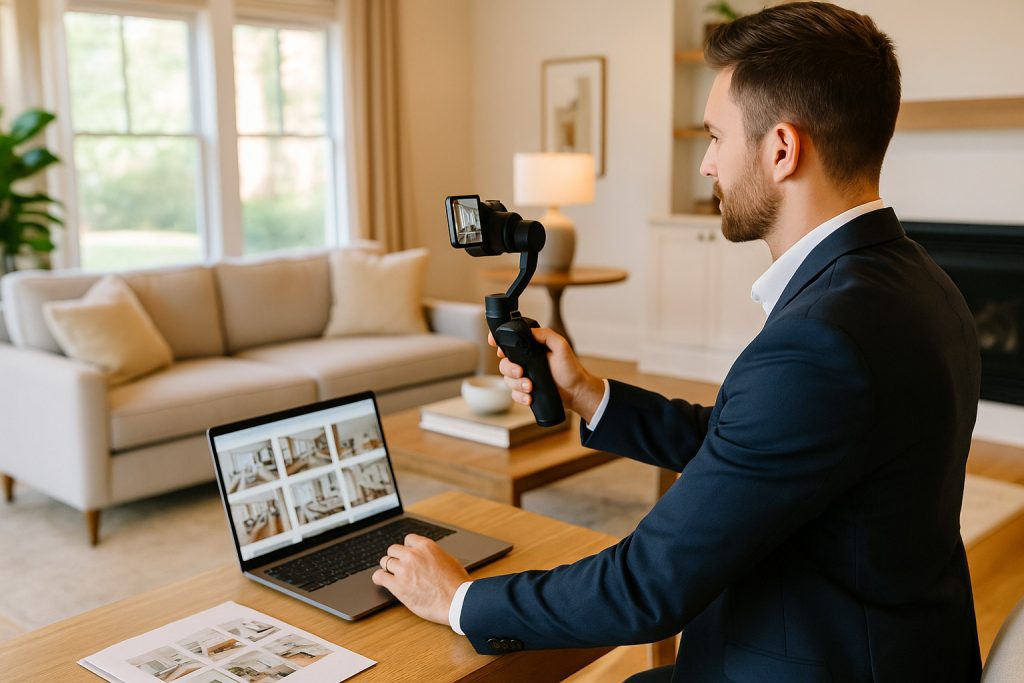
If you’re selling a property, an agent’s marketing expertise can directly influence how quickly and profitably your home sells. Professional photography, virtual tours, staging guidance, and targeted digital campaigns are now industry standards.
Ask potential listing agents to show you examples of recent marketing materials and discuss their strategy for reaching qualified buyers. Strong presentation isn’t limited to advertising — it also includes the agent’s ability to articulate your home’s unique selling points during showings and negotiations.
The best professionals blend creativity with analytics, using marketing tools and metrics to maximize visibility and attract serious buyers.
7. Negotiation Skills and Strategy
Read More
Real estate negotiations involve far more than price. A skilled agent balances firmness with diplomacy, working to protect your interests while maintaining productive relationships with other parties.
Ask how they handle multiple-offer situations, inspection requests, or appraisal shortfalls. A confident negotiator will explain their approach and provide examples of past outcomes.
The best agents understand when to press, when to compromise, and when to walk away. They use data, market trends, and psychology to achieve favorable results. Ultimately, strong negotiation skills can save you thousands of dollars, or help you secure your dream home in a competitive market.
8. Transparency in Fees and Contracts
Read More
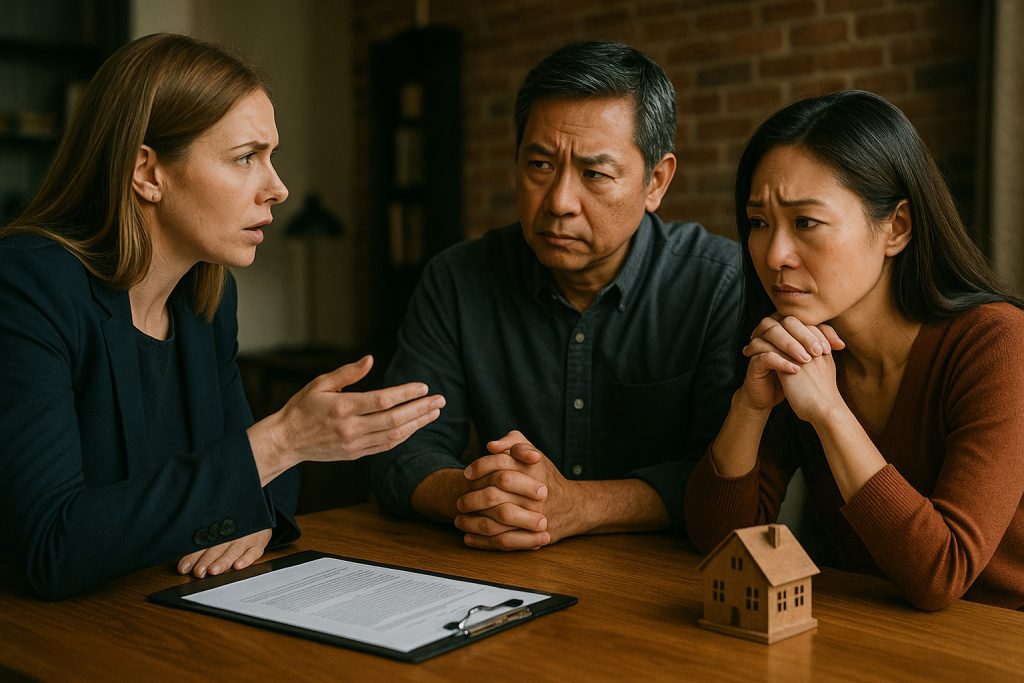
Before committing to an agent, understand how they’re compensated and what services are included. Most agents earn a commission, typically a percentage of the sale price, paid by the seller. However, in some cases, buyers may also have contractual obligations.
Ask for a clear explanation of all fees and review sample listing or buyer agreements. Pay attention to contract length, exclusivity clauses, and termination policies.
A trustworthy professional will discuss these details openly and ensure you understand every term before signing. Transparency builds trust and prevents misunderstandings later in the process. If an agent avoids fee discussions or pressures you into signing quickly, consider that a red flag.
9. Compatibility and Trust
Read More
Real estate transactions often involve emotional decisions, so choosing an agent you genuinely trust is critical. Beyond credentials and experience, assess whether the professional listens attentively, respects your goals, and communicates with honesty.
You’ll be spending considerable time together, discussing personal finances and long-term plans. Trust fosters collaboration and reduces stress during negotiations or setbacks.
Follow your instincts — if you feel comfortable and confident in the agent’s integrity, that’s a strong indicator of compatibility. A great professional relationship is built on mutual respect, shared objectives, and the assurance that your best interests are always the priority.
10. Post-Sale Support and Long-Term Relationship
Read More
A true real estate professional’s commitment doesn’t end at the closing table. Many of the best agents provide post-sale guidance, referrals to contractors, advice on maintenance, or insights about market appreciation.
This ongoing support reflects a long-term perspective that values relationships over single transactions. When interviewing agents, ask how they maintain contact after closing. Do they send market updates or homeownership tips? Are they available to answer questions about refinancing or future investment opportunities?
Choosing someone who remains a trusted advisor after the sale ensures continuity and peace of mind. A lasting partnership with a dedicated agent can serve you well for years to come.
*Aaron Rizzer, (a/k/a Professor Remember) and Belle Marie Belizaire are fictional characters in the four Jimmy Rogers Chronicles by J H McIntosh.
“Can’t Stop It”, the first story is a coming of age/murder mystery where teenager Jimmy Rogers is in a battle to break from his Father’s belief “Life is a cruel joke, barely worth living”.
If Jimmy loses this battle, he will take his own life and the deaths of his best friend David Perkins and David’s girlfriend Cathy Carlson will go unsolved.
Aaron is the founder of Professor Remember’s Roadhouse and Bakery Cafe, where he first meets Belle, with whom he develops an unconditional love and mentorship.
For more information about the four novels in the Jimmy Rogers Chronicles, go here. Listen on Spotify, Apple iTunes, Amazon Music and download the soundtrack to the stories here

Loading the adverslides
Please wait a while